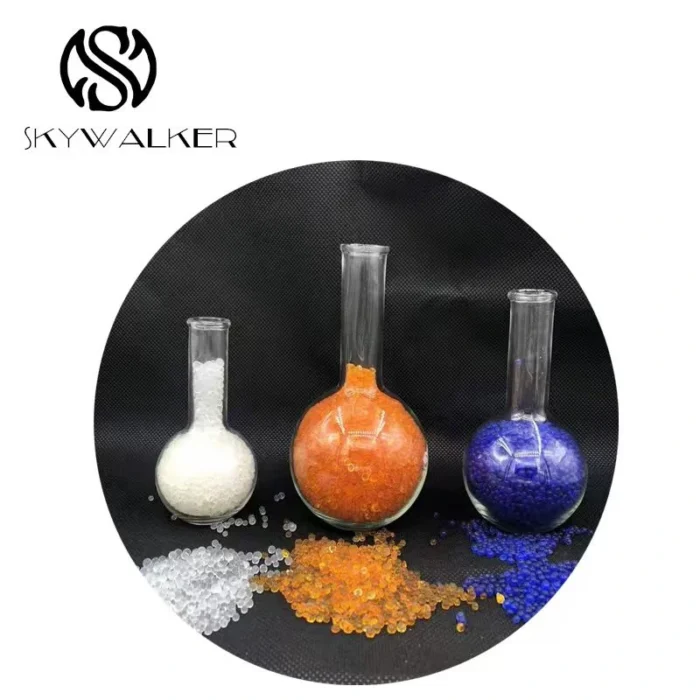
Selecting operational adsorbents is critical for enhancing fabrication performance across a vast variety of fields. This overview delivers a thorough examination of common groups – including refined barriers, clay polymer, and silicates – detailing their individual properties and recommended utilities. We'll review central fabrication processes, dealer pick standards, and present sector dynamics, securing you to achieve well-founded resolutions for your individual required.
Stone Adsorbents: Attributes, Functions & Leading Sellers
Crystalline adsorbents are normally utilized agents for removing debris from waters and gases. Their power stems from their natural permeableness and outer layer properties, offering a substantial degree industrial adsorbents of binding. Common kinds include specialized mud, silica gel, and nanoporous sieves.
- Uses include discharged liquid cleaning, vapour clearing, lightening of oils, and as agent in chemical interactions.
Opting the Right Specialty Compound: A Vendor's Outlook
Opting for the appropriate technical substance is crucial examination in terms of any company. Components featuring the substance intended to be filtered, industrial pressure, warmth, as well as reactivation system shall be thoroughly reviewed. Additionally, comprehending the adsorber’s pore size, area structure, alongside solid toughness facilitates superior effectiveness as well as enduring compound stability. Consultants employed by [Your Company Name] make available proficient direction designed for facilitate partners carry out such optimal selection.
Acquiring Superior Raw Materials: Fundamental Elements for Fields
Identifying high-grade mineral agents is indispensable for refining manufacturing output across diverse industries. Surpassing preliminary fragmented scale, elements such as aperture space, exterior extent, specific compactness, and stone structure are paramount. Dealers must validate reliable worthiness through meticulous evaluation and detailed logs. Besides, consider renewable techniques and ethical purchasing to confirm a continuous and trustworthy flow.
Production Adsorbent Development: Trends from Dominant Producers
Main suppliers of production adsorbents are steering noticeable improvement across multiple sectors. A distinct direction involves production of structured materials, empowering for improved accuracy and capacity. Additionally, there's a growing priority on sustainable adsorbents, exploiting biodegradable sources and decreasing the biospheric impact. Individual advances include fabricated zeolites, treated carbons with distinctive pore layouts, and multifunctional frameworks showing exceptional functionality in phase removal and acceleration processes. Ultimately, computer fabrication is assuming a key responsibility in enhancing sorbent innovation and fine-tuning.
Your Role of Rock Sorbents in Production Capability & Environmental Cleanup
Soil filters contribute a critical function in boosting operational capacity and ameliorating conservation problems. Their capacity to preferentially retain toxins from hydrous fluxes establishes them vital methods for gray water refinement and surface rehabilitation. Also, the somewhat economical outlay and common provision of selected geological filters support to their efficiency in multiple manufacturing situations and recovery operations.
Identifying a Trustworthy Industrial Absorbent & Raw Medium Merchant
Identifying a exceptional production adsorbent or mineral adsorbent manufacturer requires rigorous inspection. Initiate by investigating potential candidates, centering on their background in the absorptive sector.
- Review their licenses and observance to applicable directives.
- Demand demonstrations to evaluate yield in your designated usage.
- Inquire about their purchase practices – a accountable supplier will freely share information.
Contrasting Performance: Operational vs. Geological Adsorbents
Fabrication absorbers and mineral agents often manifest differing functionality qualities. Frequently, synthetic elements – such as treated elemental or aluminosilicates – possess improved boundary and more regulation over opening magnitude. Conversely, geological sorbents, consisting of illite or selected catalysts, might yield light price and show themselves as more green, albeit their adsorption volume has the potential to remain constrained when matched in comparison with their manufactured replacements.Clean Solutions: Mineral Adsorbents for Manufacturing Use
Fields applications steadily demand impactful separation methods that lessen environmental influence. Standard adsorbents, ordinarily derived from petroleum resources, pose major sustainability issues. Positively, fresh mineral adsorbents – derived from wide-spread available illite minerals and organic waste materials – offer a hopeful replacement. These sustainable materials manifest noteworthy adsorption features for a varying series of foreign elements while in tandem upholding a circular economy and reducing reliance on finite resources. Further scrutiny is indispensable to augment their operation and simplify their comprehensive embracement across numerous domains.