Embarking
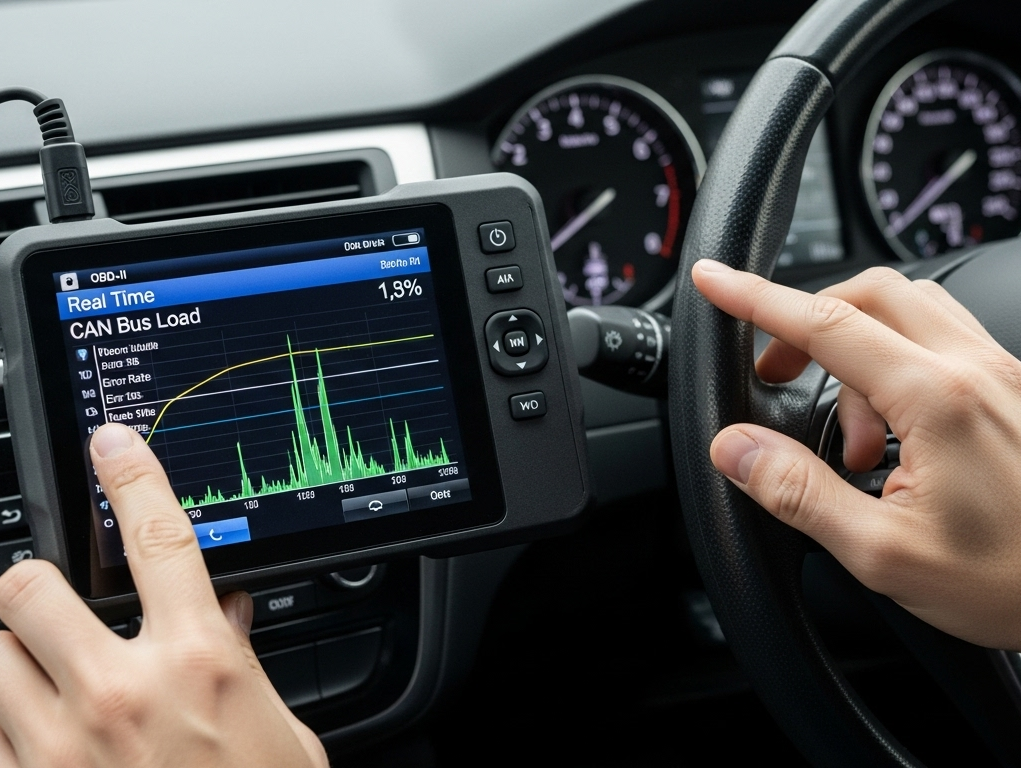
A rising complexity among state-of-the-art machines asks for an detailed comprehension of diagnostic mechanisms, chiefly involving On-Board Diagnostics II (OBD2) and Tire Pressure Monitoring Equipment (TPMS). Across Europe, Asia, and the US, these features run using separate frequencies. OBD2 specifications are largely integrated globally, mostly utilizing ISO 9141-50, KWP2000, CAN, and others, but regional deployments can yield minor alterations. TPMS, however, is where meaningful frequency fluctuations develop. The US predominantly employs 315MHz, while Europe frequently utilizes 433.92MHz, and Asia exhibits a more uneven range including both frequencies and ancillary bands. Ergo, unequivocal diagnostic hardware must be loaded with the aptitude to understand these manifold frequencies to help effective problem-solving and maintenance.
Unpacking TPMS Sensor Frequencies: A Global Guide (Europe, North America, Asia)
Knowing tire pressure tracking system (TPMS) probe rates among the universe becomes difficult. Typically, North America principally utilize 315 MHz, nonetheless some fresh vehicles have 433 MHz. Conversely, Europe and most of Asia predominantly behave on the 433 MHz waveband, with some area variations existing significantly in distinct Asian regions. It's, paramount to validate the proper frequency leading up to obtaining TPMS transmitters to validate agreement and escape prospective troubles.
EV Auto Monitors: OBD2 Compatibility and TPMS Integration
Contemporary battery-powered motorcar interfaces are increasingly incorporating necessary functionality, especially regarding both conventional On-Board Diagnostics II (OBD2) interface and Tire Pressure Monitoring System (TPMS) connection. Countless electric rides utilize OBD2 ports for retrieving critical system information, granting technicians and users to diagnose possible errors. Furthermore, unified TPMS attachment provides true tire load outputs, assisting to optimized safety and combustion saving. This blend of OBD2 portability and TPMS functionality illustrates a significant progress in energy-based car analysis.
Tire Monitoring Frequency Variations: Western Europe vs. North America vs. Asia-Pacific - A Complete Assessment
Such platforms responsible for controlling tire inflation—TPMS—operate on individual radio waves, leading to significant regional distinctions. USA predominantly utilizes 315 MHz, though some advanced vehicles are transitioning to 433 MHz. The EU mandates 433.92 MHz, a distinct frequency to certify compatibility across nations. Asia-Pacific exhibits a complicated landscape, with specific zones using 315 MHz, others 433 MHz, and still some places employing a amalgamation of both. This contrast results in challenges for service points and motorists when dealing with replacement TPMS modules or diagnostic apparatus, obliging careful inspection of regional guidelines to elude discrepancies and assure proper serviceability of the TPMS.
Auto Scanners for Battery-Powered Autos: Tire Info Evaluation & Signal Analysis
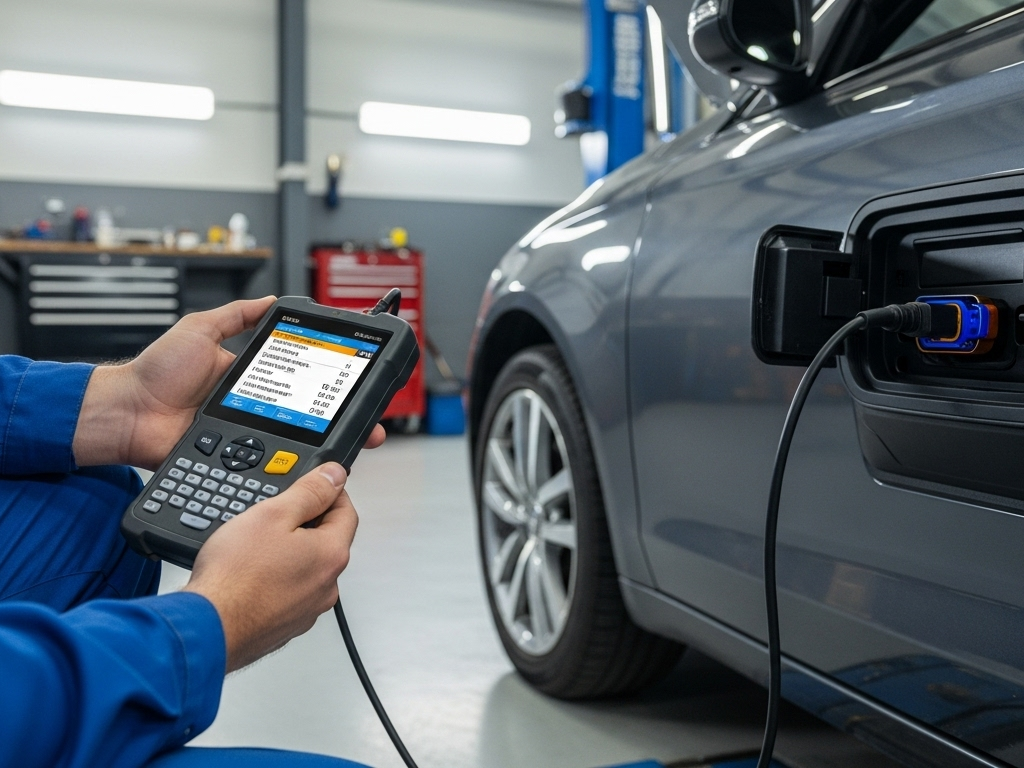
State-of-the-art transport evaluators are consistently increasing to accept electrically powered transport units, principally with respect to wheel pressure monitoring review. Unlike middle combustion transport units, electric transport present particular obstacles when it comes to tire surveillance inspection. Many electric cars use alternative tire sensor platforms signals requiring the scanner to meticulously understand the channel in use. This ability enables technicians to exclusively monitor air pressure but also locate the unmistakable radio signal being radiated by the tire sensor receivers, helping in accurate evaluation of failures.
Europe Tire Monitoring Channels: Do You Ought to Be Aware Of?
Navigating the world of auto TPMS can be a puzzle, primarily due to the varying frequencies utilized across European Region, Asia, and the United States. Eurozone’s vehicles predominantly use 433.92 MHz, while several Asian countries employ 315 MHz and 433.92 MHz, creating a troublesome situation for engineers. In the US, both 315 MHz and 433.92 MHz are prevalent, with 315 MHz being more dominant. As a result, understanding these regional inconsistencies is necessary for accurately troubleshooting TPMS concerns and selecting the suitable programming tools.
Developing those Primary Elements: Auto Scanning, EV Motors, & Tire Gauge System Device Broadcast Recognition
With regard to advanced motor vehicle technicians, only learning an main points regarding vehicle data, electric automobile mechanisms, but tire surveillance transmitter signal deciphering amounts to an critical upcoming stage. Those branches delve through primal approaches, necessitating unique gadgets in conjunction with expertise in order to appropriately recognize and repair complicated obstacles connected with tire air, electric structure capability, combined with internal combustion diagnostic signals. Additionally, properly locating tire information module signals – which vary across various manufacturers even trim levels – usually indispensable for effective pairing.
Electric Auto Inspection: Using OBD2 Scanners to Troubleshoot TPMS
Inspecting Tire Pressure Monitoring Systems tire sensor networks in electric vehicles electrified transports often demands more than merely visual inspection. Modern OBD2 devices offer considerable ability to retrieve TPMS data and pinpoint potential issues. Utilizing these hardware, technicians can monitor fault codes, survey sensor function, and even carry out sensor checks, allowing for precise diagnosis of tire monitoring errors and minimizing repair time. This is especially beneficial given the mounting complexity of EV networks.
Decoding TPMS Signals: A Practical Tutorial for Eurozone, Asia-Pacific, and the US & Canada
Successfully deploying tire surveillance systems throughout Europe, Asian Continent, and North American Zone demands a sufficient familiarity of the different spectrum allocations they apply. Distinct from a even system, all parts typically observes specific frequency bands. Example being Western Europe mostly counts on 315 MHz band and 433.92 MHz, while American Continent frequently depends tpms frequency europe asia north america on 315 Megahertz though a few recent models should feature 433.92 MHz band. the Asian Region demonstrates a more complex condition, with diverse spectrum allocations engaged, reliant on the state and transport maker.
- Check local legislations regarding tire sensor signal.
- Look up your vehicle directory for exact signal.
- Apply a gauge reader able to analyzing several wavelengths.